5th Visit to The Kennedy Space Center

I first visited the Kennedy Space Center in 2007 and found it so inspiring that I’ve taken every opportunity to return since.

These last sixteen years have seen many twists and turns in human spaceflight.

When I visited KSC in 2011, the space shuttle programme had just finished – with the final mission landing the week before.

The tour bus guides were noticeably upset about the demise of the shuttle and the whole place had a bit of a downbeat feel to it.

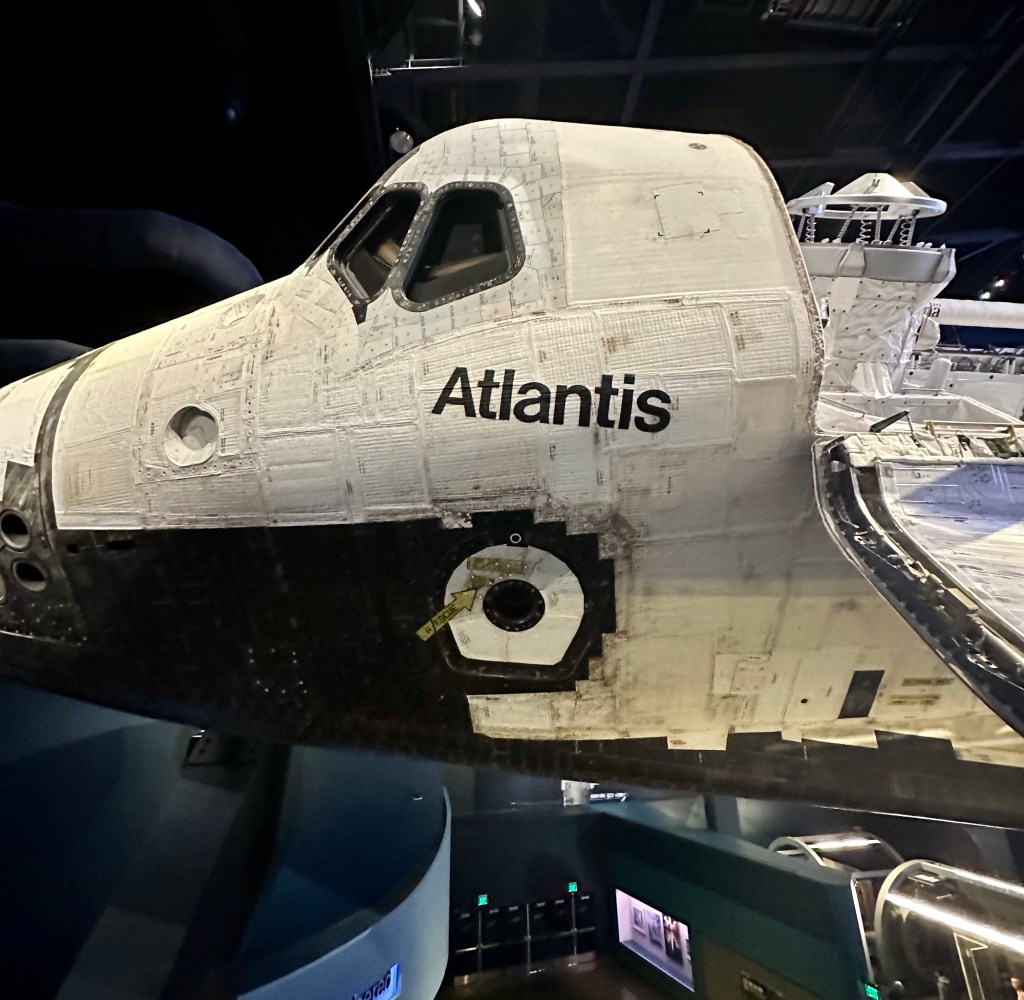
It was therefore a joy to return again in 2013 and visit the recently opened Atlantis exhibition – a fantastic celebration of an extraordinary machine that made 33 journeys into space and back over a 26 year period.

Given I am currently on a 7 day road trip around Florida I could not pass up the opportunity to visit KSC again 10 years on.

Wow – what a decade it has been for the evolution of human spaceflight, with the commercial sector rising to NASA’s challenges to provide more cost-effective ways to get beyond Earth’s atmosphere – and back too when required.

It seemed a poignant time to revisit the Saturn V rocket exhibit that is the centrepiece of a building devoted to the Apollo moon missions.

Artemis I completed its second orbit of the moon on the day I headed over to the US and I watched the splashdown live on TV 6 days later on December 11th.

I was also keen to see Atlantis again and it was every bit as good as the first time.
Continue reading

Keeping the faith – Drupal 6/7/8/9

I was first introduced to the Drupal web platform back in 2009 by a developer friend who I had worked with closely during the development and marketing of a successful proprietary content management system called Immediacy.

That system was based on Microsoft’s .Net platform and was sold to the UK’s biggest CMS development company at one time – Mediasurface – which in turn was sold to Alterian and then SDL Tridion (which I’ve just noticed has now also been ‘acquired’ recently).

That in itself illustrates the fate of most proprietary software systems – an endless tale of acquisition which is usually about ‘buying’ customers and partner relationships to scale rapidly and improve profitability rather than anything to do with improving the technology itself.

In that respect, the relative stability of the Drupal framework and community since its inception in 2001 is a massive achievement. Those 20 years have seen phenomenal development and disruption in the way information is communicated and used – so any organisation that has succeeded in keeping pace and charting a course for the future should be applauded, particularly as many in the Drupal community volunteer their time and efforts.

The other massive achievement is that it is still entirely ‘open source’ and 100% free to use. That means that essentially all the capabilities of an extremely broad and capable web application framework are at your disposal for absolutely no license costs at all. By way of an example, when Drupal was first launched at the start of this century I was working on an ‘enterprise content management’ project for the one time largest telecoms company in the world and it had a $25 million price tag for the software licensing alone. Today I could easily replicate the scale and functionality of that project for zero dollars of license cost.

Continue reading